The red carpet for 2024 is rolled out, bringing with it expectations and hopes for what lies ahead. Steps are swift, with eyes firmly fixed on the horizon and what lies beyond. Many believe the future is an unwritten page, but in my role as sustainability manager, my backpack is filled with lessons, and the calendar long filled with plans for a more sustainable 2024.
A new year and a new cycle have begun. A cycle I associate with circularity – perhaps our most pertinent subject and goal within sustainability. Within Liwlig and our industry, we have achieved several significant advancements in 2023. We've implemented routines to optimize our resources, reduced new productions to create broader applications with longer lifecycles for the products and materials we use. We've begun planning for reuse from the outset of projects. This could involve saved raw materials to reduce food waste or replacing cut flowers with potted plants to bring joy to a nursing home after an event. We have successfully implemented a re-use rate to measure the reuse and recycling rates of the materials and products we use. A simple and effective tool that promotes collaboration and circularity.
But despite several successes to celebrate, a frustration grows within me. I see how nature masterfully and patiently embraces circularity, while we humans still feverishly search for keys and invent new ones to succeed. Why?
As I see it, we already have the keys. But territorial thinking, convenience, and profitability often hinder the collaboration needed to achieve our common climate goal. A goal that should supersede all other interests.
As an industry, we could achieve so much more if we collaborated more. So why aren't we working together to solve common challenges? We could tackle one challenge at a time and find solutions together. Then we could truly close the loop.
Let me propose a first concrete task where we as an industry can undoubtedly find solutions and a new common standard before 2024 is over:
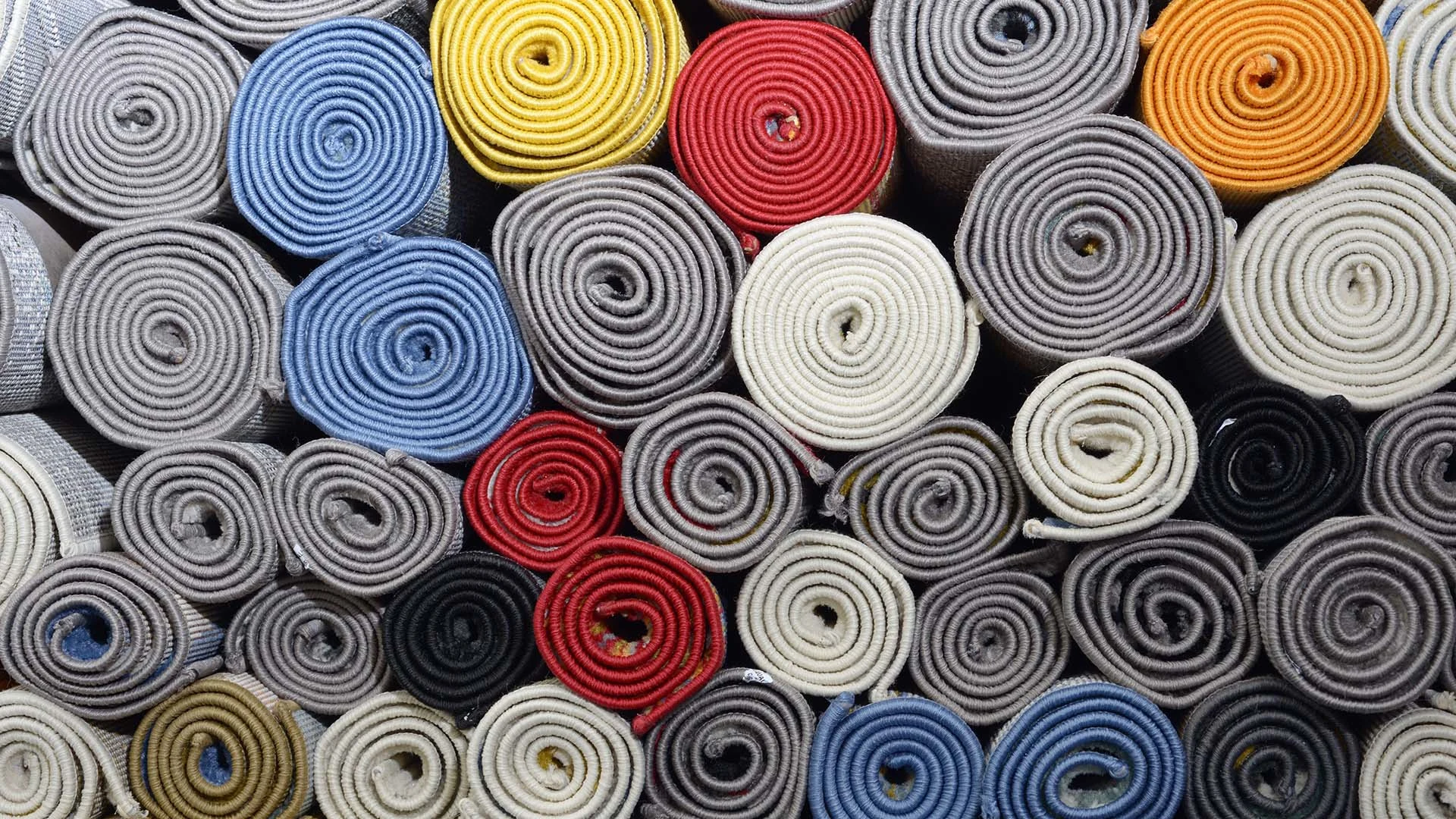
Event carpets. Event carpets are used at almost every produced event. Just within Liwlig, we conducted over 1500 events in 2023, and it pains me to say that the majority of the carpets used cannot be recycled. And even though we aim to find recipients who have use for the carpets after the events, the quantities are far too large for the reuse needs that exist. These disposable carpets are sold today because they have a lower price, quick delivery, and a wide range of colors. But their manufacturing requires unreasonable amounts of water and energy for use at a single event, and the latex-based adhesive makes the carpets non-recyclable, adding to growing heaps of waste.
What if we collectively stopped offering disposable carpets to customers and instead only offered carpets that are recyclable or, even better, reusable?
Let's start with recyclable carpets made of 100% polypropylene. They come in a wide variety of colors, require minimal energy and water for production, and can be recycled into pellets that could, for example, become chairs. These carpets are also so durable that we could use them as reusable carpets, meaning the supplier could wash them, rent them out repeatedly, thus having a circular business model (as opposed to selling the same carpet for only one occasion).
So what's stopping us? Collaboration. There is a lack of collaboration throughout the process to support this transition. Today, recyclable carpets are often transported to Belgium and the Netherlands for recycling. This could be done in the Nordic region, but the customer base is currently too small. Looking at the very best option with reusable carpets, customers would get much higher quality carpets at a lower rental cost, but the reuse solution requires warehousing, which in turn requires a larger customer base.
Imagine if we could make a first collective transition where event agencies, trade shows, carpet suppliers, and manufacturers set a new standard where non-recyclable disposable carpets are no longer used.
Let 2024 be the year when we not only create unforgettable experiences and meetings for our customers but also the year when we truly start to collaborate as an industry to ensure a future where we can continue to roll out carpets – over and over again.